
Discover How Solar Panels Generate Energy: A Clear Guide to Solar Panel Energy Generation

Solar energy is becoming a popular choice for homeowners and businesses looking to save on electricity bills and reduce their environmental impact. If you’ve ever wondered how solar panels generate energy and what makes them such a reliable source of power, you’re in the right place. I’ll walk you through the basics of solar panel energy generation, explain key concepts, and share practical tips to help you understand this technology better.
Understanding Solar Panel Energy Generation
Solar panels convert sunlight into electricity through a process that might seem complex at first, but it’s actually quite straightforward. The panels are made up of many small units called photovoltaic (PV) cells. These cells are made from semiconductor materials, usually silicon, which absorb sunlight.
When sunlight hits the PV cells, it excites the electrons in the silicon, causing them to move. This movement of electrons generates an electric current. The current is then captured and converted into usable electricity for your home or business.
This process is clean, quiet, and sustainable. It doesn’t rely on fuel or produce harmful emissions, making solar panels an excellent choice for long-term energy savings and environmental responsibility.
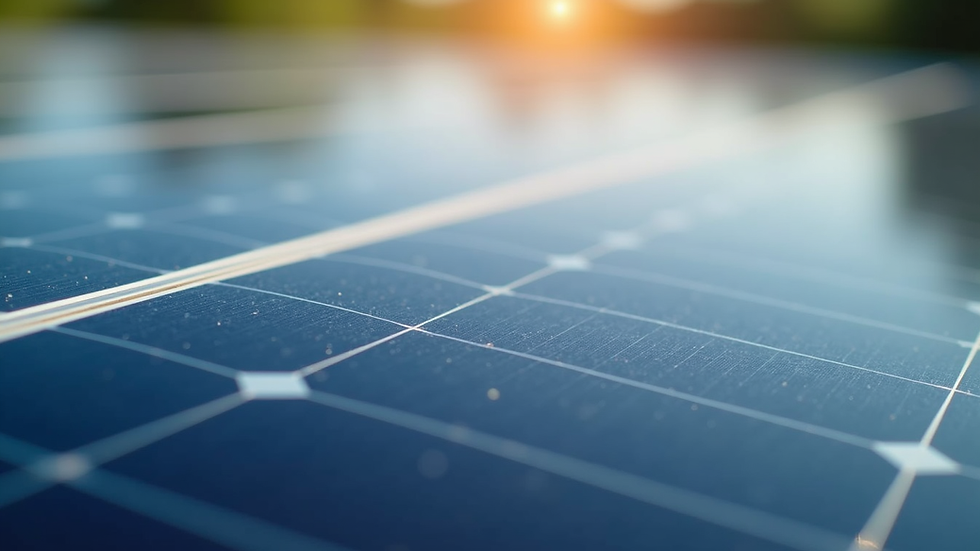
How Solar Panels Work in Your Home or Business
If you want to dive deeper into how solar panels work, here’s a simple breakdown of the system components and their roles:
Solar Panels: Capture sunlight and convert it into direct current (DC) electricity.
Inverter: Converts DC electricity into alternating current (AC), which is the type of electricity used in homes and businesses.
Electrical Panel: Distributes the electricity to power your appliances, lights, and devices.
Meter: Measures the electricity your system produces and how much you use from the grid.
Battery Storage (optional): Stores excess energy for use when the sun isn’t shining.
By installing solar panels, you can reduce your reliance on the grid, lower your electricity bills, and even earn credits for excess energy sent back to the utility company.

What is the 20% Rule for Solar?
One important guideline to keep in mind when planning a solar installation is the 20% rule. This rule helps ensure your electrical system remains safe and efficient.
The 20% rule states that the total solar panel capacity connected to your electrical panel should not exceed 20% of the panel’s rated capacity. For example, if your electrical panel is rated for 100 amps, the solar system should not produce more than 20 amps of current.
Why is this important? Exceeding this limit can overload your electrical panel, causing safety risks and potential damage to your system. Following the 20% rule helps maintain proper panel loading and ensures your solar installation complies with electrical codes and standards.
If you’re considering a solar upgrade or a panel replacement, it’s a good idea to consult with a professional electrician who understands these rules and can design a system that fits your home’s needs safely.
Practical Benefits of Solar Panel Energy Generation
Switching to solar energy offers several practical benefits beyond just saving money on your electricity bill:
Energy Independence: Generate your own power and reduce dependence on fluctuating utility rates.
Environmental Impact: Solar energy is renewable and produces no greenhouse gas emissions.
Increased Home Value: Homes with solar panels often sell faster and at higher prices.
Low Maintenance: Solar panels require minimal upkeep and have long lifespans, often 25 years or more.
Support for EV Charging: Solar power pairs well with electric vehicle chargers, providing clean energy for your car.
For homeowners in Calgary and Cochrane, where sunlight is abundant for much of the year, solar panels can be a smart investment. They provide reliable energy even in cold weather, as solar panels work well in cooler temperatures.
Tips for Maximizing Your Solar Panel Energy Generation
To get the most out of your solar panels, consider these practical tips:
Optimal Placement: Install panels on a south-facing roof with minimal shading for maximum sunlight exposure.
Regular Cleaning: Keep panels free of dust, snow, and debris to maintain efficiency.
Monitor Performance: Use monitoring systems to track energy production and spot any issues early.
Upgrade Electrical Panels: If your home has an older electrical panel, upgrading it can improve safety and allow for larger solar systems.
Plan for Future Needs: If you’re thinking about adding an EV charger or expanding your solar system, discuss these plans with your installer upfront.
By following these recommendations, you can ensure your solar energy system performs well and provides reliable power for years to come.
Embracing Solar Energy for a Brighter Future
Solar panel energy generation is a powerful way to take control of your energy use, save money, and contribute to a cleaner environment. Whether you’re upgrading your electrical system, installing solar panels for the first time, or adding an EV charger, understanding the basics of solar energy helps you make informed decisions.
If you’re ready to explore solar options or electrical upgrades, working with experienced professionals ensures your system is designed and installed safely and efficiently. With the right approach, solar energy can be a dependable part of your home or business for decades.
I hope this guide has helped you discover how solar panels generate energy and why they’re a smart choice for today’s energy needs. The future of power is bright, and solar energy is leading the way.
If you want to learn more or get a detailed quote for your solar or electrical project, don’t hesitate to reach out to trusted local experts who prioritize quality, safety, and clear communication. Your journey to clean, reliable energy starts here.


Comments